IVF & Nutrition: The Missing Link in Your Fertility Game Plan
IVF & Nutrition: The Missing Link in Your Fertility Game Plan
Jul 30, 2025
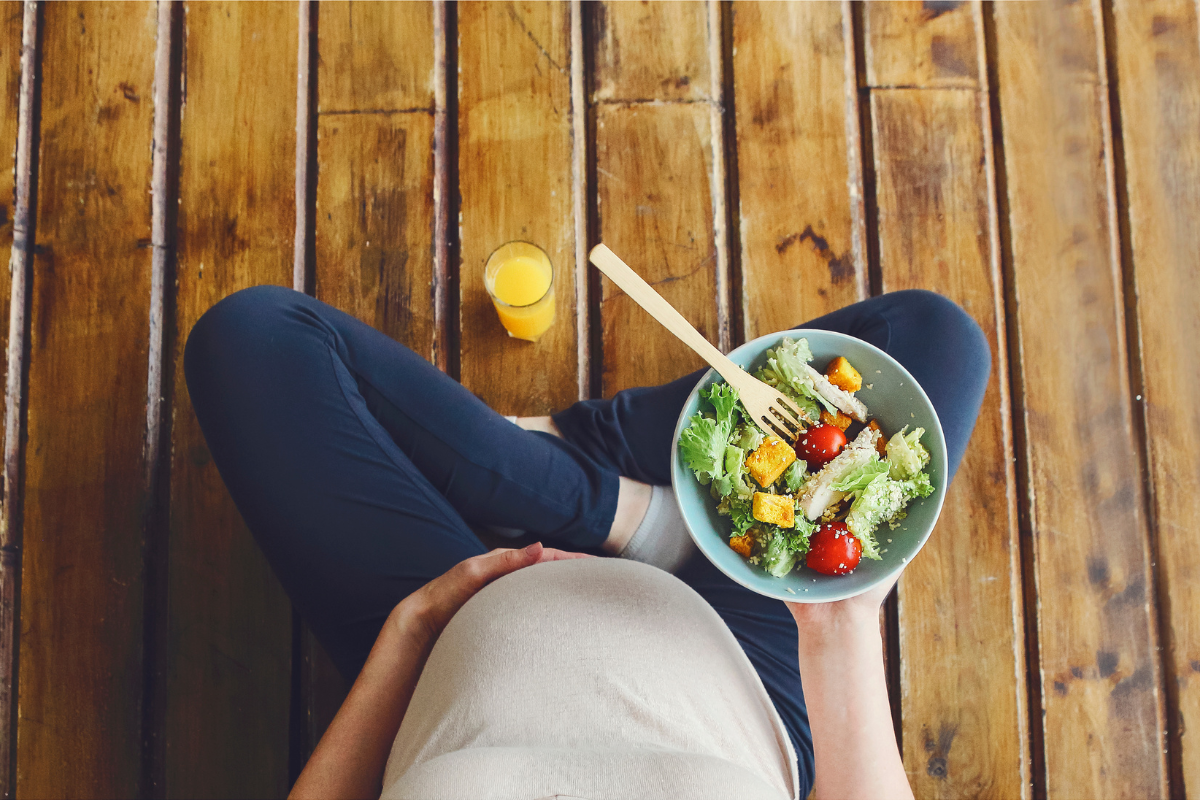
When you're going through IVF, the focus is often on medication, appointments, and timing. But there's a key part of the process that often gets overlooked your nutrition.
What you eat (and how much you eat) directly impacts your hormones, egg quality, inflammation levels, and your ability to recover, not just from training, but from the IVF process itself.
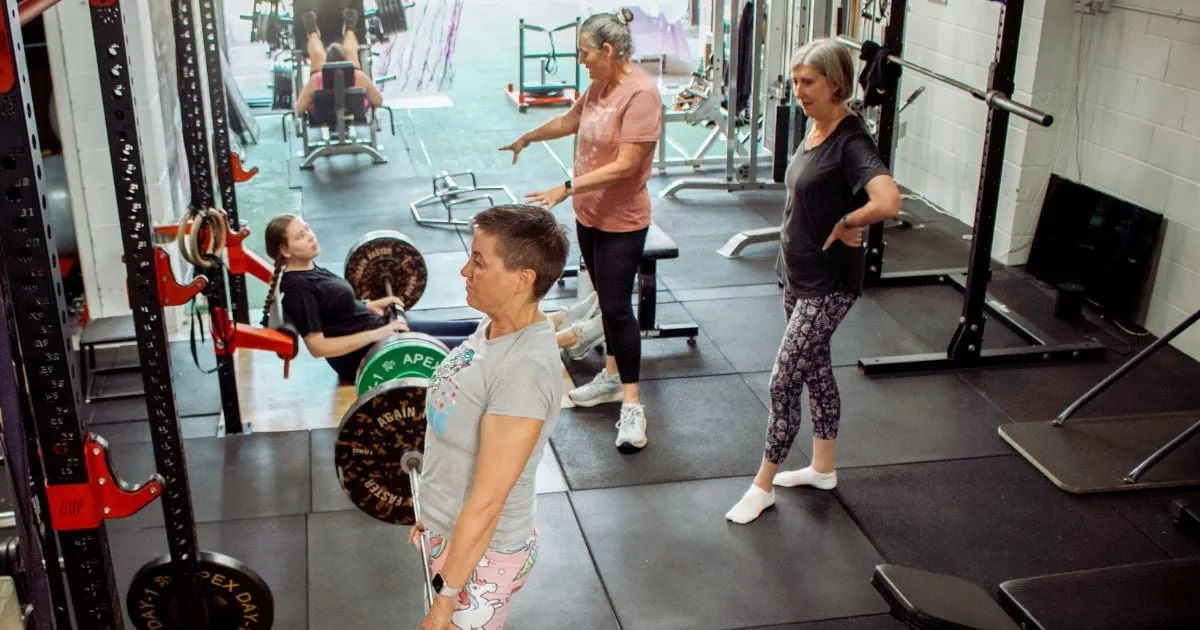
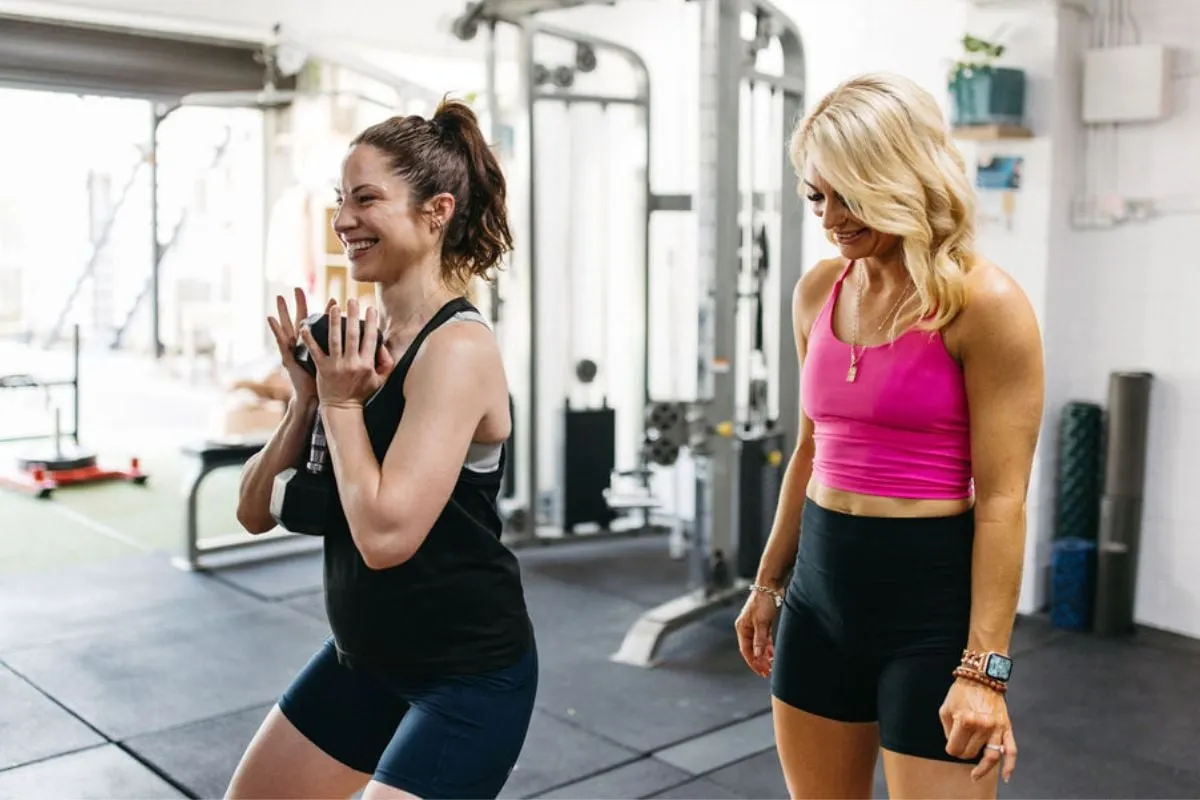
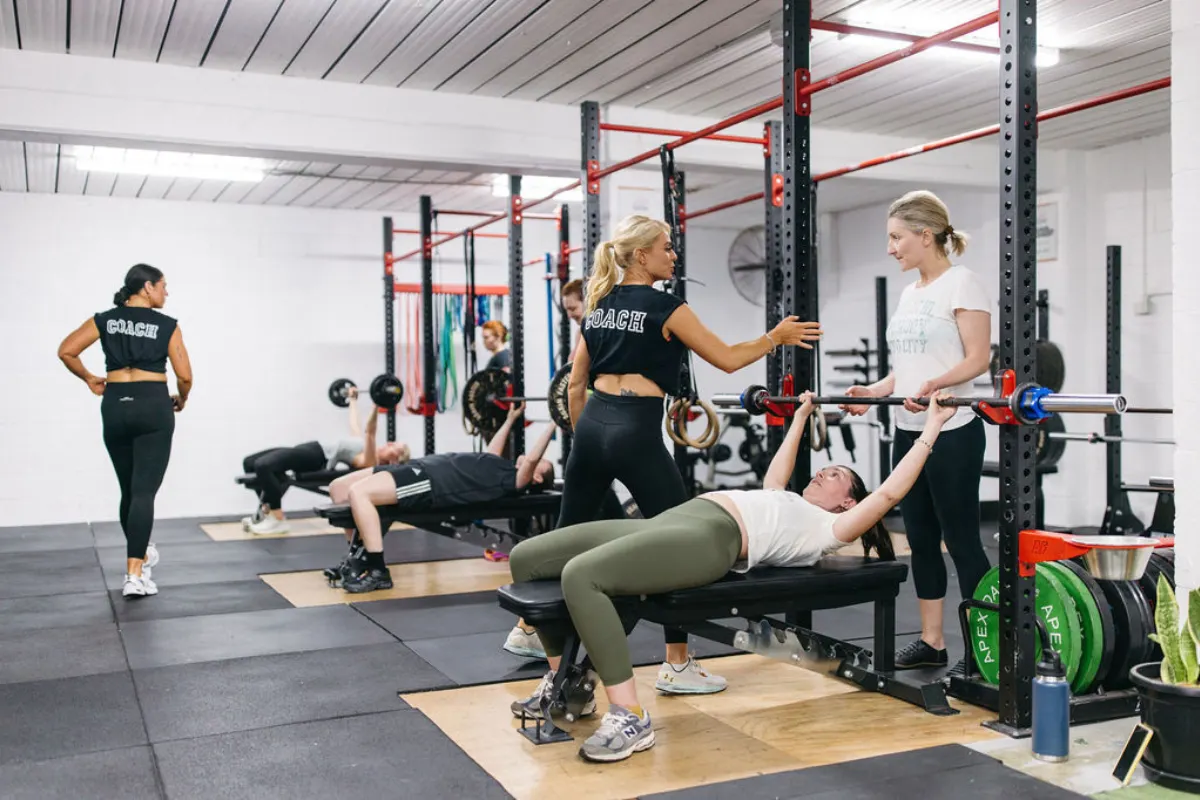
At The Evolved All Female Gym, we don’t just train bodies. We fuel them too. And when it comes to IVF, we partner with your medical team as your execution crew helping you nail every habit that matters most to your fertility journey.
Energy Balance: What It Means (and Why It Matters)
Let’s keep it simple. Energy balance is the relationship between the calories you consume (food) and the calories you use (through exercise, recovery, and daily life).
If you’re under-eating while training or under-eating full stop you may be placing stress on your body that compromises your hormone production and egg quality.
This is especially risky during IVF.
On the flip side, the right amount of adequate fuelling improves:
- Hormone production (including estrogen and progesterone)
- Egg maturation and endometrial lining thickness
- Energy availability for ovulation and implantation
We teach you how to match your energy intake to your training volume, recovery needs, and IVF phase. That way, your body feels safe and capable of doing what you’re asking of it.
Why First Class Protein is Essential
Hormones, follicles, and eggs are built from amino acids the building blocks of protein. That’s why high-quality (first-class) protein is essential before and during IVF.
First-class protein sources include:
- Eggs
- Dairy (yogurt, cottage cheese, milk)
- Meat and poultry
- Fish
- Whey protein
We help our members set simple, consistent protein habits that support recovery, egg quality, and hormone synthesis - no macro tracking required.
Understanding Carbs: Low vs High Energy Plant Foods
Carbs often get demonised—but during IVF, they’re critical.
We teach women how to distinguish between:
- High-energy plant foods: rice, oats, sweet potato, quinoa, legumes, fruit
- Low-energy plant foods: leafy greens, zucchini, cucumber, mushrooms, cauliflower
Both play a role:
- High-energy carbs fuel your training, sleep, and hormone production
- Low-energy carbs support micronutrient intake and digestion
Instead of cutting carbs, we guide you to cycle them based on your training intensity and IVF phase.
Don’t Forget Fat (Especially Omega-3)
Fats aren’t just allowed during IVF, they’re essential. Why?
Hormones are made from fats.
Omega-3s, in particular, play a key role in:
- Reducing systemic inflammation (which can interfere with implantation)
- Supporting egg quality and embryo development
- Balancing hormone production
Sources of Omega-3:
- Salmon, sardines, mackerel
- Chia seeds and flaxseed
- Omega-3 supplements
We help you build daily habits around fat intake that support hormone health, not sabotage it.
We’re Your IVF Nutrition & Training Team
At The Evolved All Female Gym, we:
- Help you build habits around protein, carbs, fats, and hydration
- Align your training with your IVF phase and energy needs
- Track your biofeedback, cycle symptoms, and recovery status
- Work with your fertility team to implement the advice they don’t have time to coach
Think of us as your execution team. Your IVF clinic gives you the medical roadmap, we give you the daily strategies to walk it well.
From conception, to pregnancy, to postnatal recovery, we guide you the whole way.
Want to take the guesswork out of eating for fertility? Start your journey with us today at The Evolved All Female Gym